
MLB Batting Splits 2019
Performance splits by handedness, home/away, and situational categories.
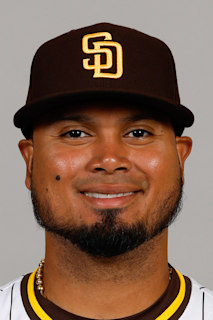
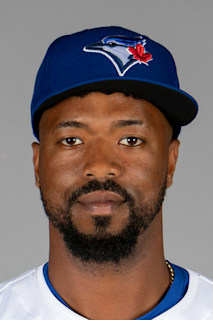
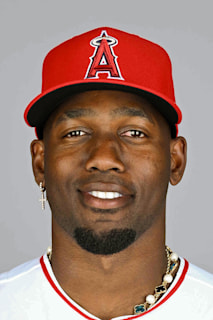
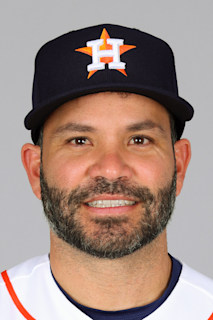
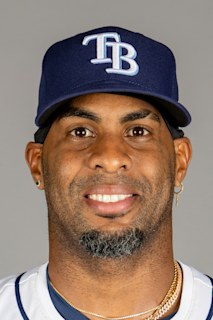
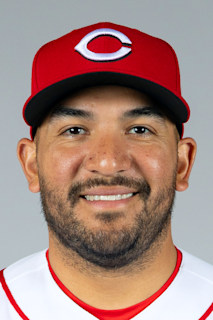
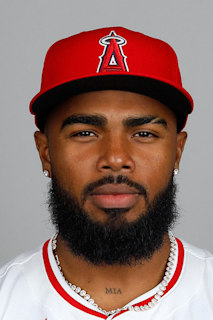
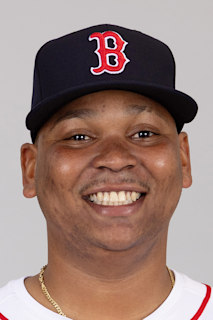
| Player | Team | AB | H | HR | RBI | AVG | OBP | SLG | OPS ▼ |
|---|---|---|---|---|---|---|---|---|---|
 |
11 | 4 | 1 | 1 | .364 | .500 | .818 | 1.318 | |
 |
40 | 11 | 5 | 7 | .275 | .362 | .700 | 1.062 | |
  |
22 | 8 | 2 | 3 | .364 | .375 | .682 | 1.057 | |
  |
26 | 8 | 2 | 3 | .308 | .357 | .692 | 1.049 | |
|
17 | 6 | 0 | 3 | .353 | .450 | .588 | 1.038 | |
 |
12 | 4 | 0 | 0 | .333 | .529 | .500 | 1.029 | |
 |
15 | 4 | 2 | 4 | .267 | .353 | .667 | 1.020 | |
 |
22 | 5 | 3 | 3 | .227 | .320 | .636 | .956 | |
 |
22 | 6 | 2 | 2 | .273 | .360 | .591 | .951 | |
 |
13 | 4 | 0 | 3 | .308 | .412 | .538 | .950 | |
 |
27 | 11 | 0 | 1 | .407 | .467 | .481 | .948 | |
 |
19 | 5 | 2 | 2 | .263 | .364 | .579 | .943 | |
 |
10 | 2 | 0 | 4 | .200 | .308 | .600 | .908 | |
|
21 | 7 | 1 | 3 | .333 | .417 | .476 | .893 | |
|
19 | 5 | 1 | 4 | .263 | .364 | .526 | .890 | |
|
18 | 5 | 1 | 2 | .278 | .381 | .500 | .881 | |
 |
30 | 8 | 2 | 6 | .267 | .313 | .567 | .879 | |
|
54 | 12 | 4 | 11 | .222 | .377 | .481 | .858 | |
|
63 | 19 | 3 | 8 | .302 | .362 | .492 | .854 | |
 |
13 | 4 | 1 | 2 | .308 | .308 | .538 | .846 | |
|
66 | 16 | 6 | 11 | .242 | .315 | .530 | .845 | |
|
15 | 5 | 0 | 1 | .333 | .375 | .400 | .775 | |
|
13 | 4 | 0 | 1 | .308 | .308 | .462 | .769 | |
|
17 | 5 | 0 | 2 | .294 | .316 | .412 | .728 | |
|
14 | 2 | 1 | 1 | .143 | .294 | .429 | .723 | |
 |
15 | 3 | 1 | 3 | .200 | .250 | .400 | .650 | |
|
12 | 2 | 1 | 3 | .167 | .231 | .417 | .647 | |
|
12 | 3 | 0 | 0 | .250 | .308 | .333 | .641 | |
|
38 | 9 | 0 | 4 | .237 | .318 | .316 | .634 | |
|
33 | 4 | 3 | 5 | .121 | .231 | .394 | .625 | |
|
25 | 6 | 0 | 1 | .240 | .296 | .320 | .616 | |
 |
20 | 4 | 0 | 1 | .200 | .360 | .250 | .610 | |
|
15 | 3 | 0 | 0 | .200 | .294 | .267 | .561 | |
|
12 | 3 | 0 | 1 | .250 | .308 | .250 | .558 | |
|
15 | 3 | 0 | 1 | .200 | .200 | .333 | .533 | |
|
61 | 9 | 0 | 7 | .148 | .254 | .262 | .516 | |
|
19 | 4 | 0 | 1 | .211 | .286 | .211 | .496 | |
|
22 | 3 | 1 | 3 | .136 | .174 | .318 | .492 | |
 |
30 | 6 | 0 | 3 | .200 | .200 | .267 | .467 | |
|
28 | 6 | 0 | 4 | .214 | .214 | .250 | .464 | |
|
12 | 2 | 0 | 1 | .167 | .167 | .250 | .417 | |
|
11 | 0 | 0 | 1 | .000 | .077 | .000 | .077 |



























Understanding Opponent Splits
Opponent splits reveal how a hitter performs against each MLB team. These splits capture the combined effect of a team's pitching staff, defensive alignment, and park factors. Some hitters consistently dominate certain teams due to favorable pitching matchups.
Team-Specific Matchups
Some hitters own certain teams. This often reflects favorable matchups against that team's pitching staff — handedness advantages, pitch-type weaknesses, or familiarity from division play. Division rivals face each other 13+ times per season, creating larger sample sizes.
Stacking by Opponent
For DFS, opponent splits help identify entire lineups to stack. If multiple hitters on a team have strong splits against today's opponent, that's a high-correlation stack. Combine with the opposing starter's recent form for maximum edge.
Sample Size Caution
Opponent splits against non-division teams can be small (3-4 games per season). Weight division matchups more heavily since they have 13+ games of data. A .400 AVG in 10 at-bats against a team is interesting but not predictive on its own.
Related MLB Tools
MLB Park Factors
Stadium effects on hitting and pitching
Batter vs Pitcher Matchups
Head-to-head historical batting stats
MLB Player Props Today
Today's best prop bets with projections
Hits Props
MLB hits prop lines and projections
DraftKings MLB Optimizer
Build optimized MLB DFS lineups
MLB DFS Stacks
Top hitter stacks for today's slate
Data Source & Methodology
Batting splits sourced from MLB Stats API. Stats reflect current season data and update daily as games are played.
Frequently Asked Questions
- How reliable are opponent batting splits?
- Division opponent splits are the most reliable since hitters face those teams 13+ times per season. Interleague and non-division splits have smaller sample sizes (3-7 games) and should be weighted less heavily. Always check the at-bat count before drawing conclusions.
- How do I use opponent splits for DFS stacks?
- Find teams where multiple hitters have strong splits against today's opponent. Stack 3-4 hitters from that team in your DFS lineup for high correlation. This works especially well when the opposing starter is also weak against that lineup's handedness profile.
- Why do some hitters crush certain teams?
- It usually comes down to pitching staff matchups. A hitter might face favorable pitch types, have platoon advantages against most of a team's rotation, or thrive at that team's home park. Division familiarity also plays a role — hitters see the same pitchers repeatedly.