
MLB Batting Splits 2025
Performance splits by handedness, home/away, and situational categories.
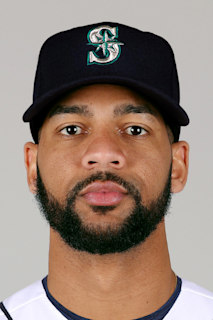
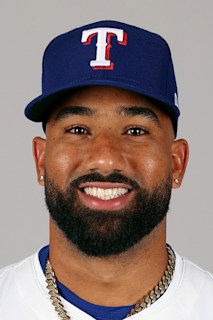
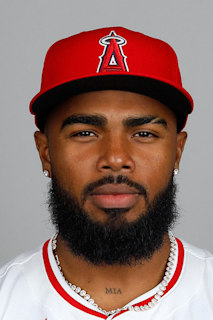
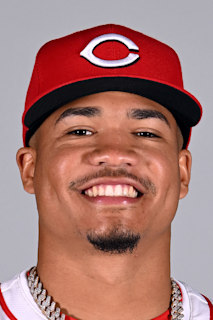
| Player | Team | AB | H | HR | RBI | AVG | OBP | SLG | OPS ▼ |
|---|---|---|---|---|---|---|---|---|---|
 |
79 | 15 | 2 | 8 | .190 | .207 | .304 | .511 | |
 |
100 | 20 | 0 | 4 | .200 | .252 | .240 | .492 | |
 |
75 | 12 | 2 | 3 | .160 | .222 | .267 | .489 | |
 |
47 | 9 | 0 | 4 | .191 | .269 | .213 | .482 | |
 |
72 | 13 | 0 | 4 | .181 | .272 | .208 | .480 | |
 |
54 | 11 | 0 | 3 | .204 | .254 | .222 | .476 | |
 |
68 | 13 | 0 | 6 | .191 | .269 | .206 | .475 | |
 |
25 | 4 | 1 | 3 | .160 | .192 | .280 | .472 | |
 |
53 | 8 | 1 | 3 | .151 | .224 | .245 | .469 | |
 |
21 | 4 | 0 | 0 | .190 | .227 | .238 | .465 | |
|
31 | 6 | 0 | 2 | .194 | .265 | .194 | .458 | |
|
75 | 14 | 0 | 4 | .187 | .235 | .213 | .448 | |
|
47 | 8 | 0 | 3 | .170 | .231 | .213 | .444 | |
|
69 | 11 | 1 | 4 | .159 | .205 | .232 | .437 | |
|
14 | 3 | 0 | 1 | .214 | .214 | .214 | .429 | |
 |
40 | 5 | 1 | 1 | .125 | .205 | .200 | .405 | |
 |
80 | 11 | 1 | 6 | .138 | .216 | .188 | .403 | |
|
19 | 2 | 0 | 1 | .105 | .292 | .105 | .397 | |
 |
28 | 3 | 0 | 3 | .107 | .212 | .179 | .391 | |
  |
11 | 2 | 0 | 2 | .182 | .182 | .182 | .364 | |
 |
54 | 6 | 0 | 2 | .111 | .226 | .130 | .355 | |
|
11 | 1 | 0 | 0 | .091 | .167 | .182 | .348 | |
|
17 | 2 | 0 | 1 | .118 | .167 | .176 | .343 | |
|
15 | 1 | 0 | 0 | .067 | .263 | .067 | .330 | |
 |
11 | 1 | 0 | 0 | .091 | .231 | .091 | .322 | |
|
15 | 2 | 0 | 1 | .133 | .188 | .133 | .321 | |
  |
13 | 0 | 0 | 0 | .000 | .316 | .000 | .316 | |
|
25 | 3 | 0 | 1 | .120 | .185 | .120 | .305 | |
 |
28 | 2 | 1 | 1 | .071 | .103 | .179 | .282 | |
|
26 | 2 | 0 | 3 | .077 | .138 | .077 | .215 | |
|
11 | 0 | 0 | 0 | .000 | .154 | .000 | .154 | |
|
14 | 0 | 0 | 0 | .000 | .125 | .000 | .125 | |
|
14 | 0 | 0 | 1 | .000 | .118 | .000 | .118 | |
|
18 | 0 | 0 | 2 | .000 | .053 | .000 | .053 | |
|
11 | 0 | 0 | 0 | .000 | .000 | .000 | .000 |



























Understanding Monthly Splits
Monthly splits track a hitter's performance across the season. April through October each bring different conditions — weather, fatigue, roster composition, and pitcher workload all shift as the season progresses. Identifying hot and cold streaks is essential for in-season DFS and betting.
Early Season (March-April)
Cold weather suppresses offense league-wide. Pitchers are often fresher and throwing harder. Small sample sizes make early-season splits volatile — a 10-game hot streak in April can produce a misleading .400 AVG. Weight these splits cautiously until June.
Peak Season (May-August)
Warm weather boosts offense, and sample sizes become meaningful. By July, monthly splits reveal real trends — a hitter who consistently rakes in summer months is a reliable warm-weather producer. August fatigue can affect some players, especially catchers and older veterans.
Stretch Run (September-October)
September roster expansions change matchup dynamics. October splits only apply to playoff teams. For DFS and betting, September splits are useful for identifying hitters who finish strong under pressure — these "second-half" hitters are often undervalued by the market.
Related MLB Tools
MLB Park Factors
Stadium effects on hitting and pitching
Batter vs Pitcher Matchups
Head-to-head historical batting stats
MLB Player Props Today
Today's best prop bets with projections
Hits Props
MLB hits prop lines and projections
DraftKings MLB Optimizer
Build optimized MLB DFS lineups
MLB DFS Stacks
Top hitter stacks for today's slate
Data Source & Methodology
Batting splits sourced from MLB Stats API. Stats reflect current season data and update daily as games are played.
Frequently Asked Questions
- Are monthly batting splits predictive?
- Monthly splits are more descriptive than predictive for individual months. However, consistent patterns across multiple seasons (e.g., a hitter who always rakes in July-August) can signal real tendencies. Use monthly splits to identify hot streaks and cold spells within the current season rather than predicting future months.
- Why do hitters perform differently by month?
- Weather is the biggest factor — cold April air suppresses fly balls, while summer heat helps the ball carry. Pitcher fatigue accumulates over the season, often boosting hitter stats in August-September. Some hitters also have personal patterns tied to conditioning, injury history, or mechanical adjustments.
- How should I use monthly splits for DFS?
- Use current-month splits to identify who is hot right now. A hitter slashing .350/.400/.600 in the current month is likely seeing the ball well and making hard contact. Combine monthly form with matchup data for the strongest DFS plays. Don't chase month-old hot streaks that have already cooled.