
MLB Batting Splits 2019
Performance splits by handedness, home/away, and situational categories.
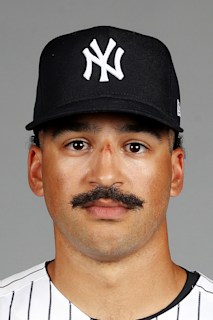
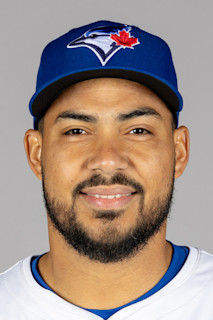
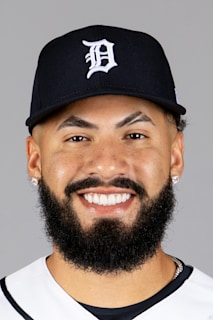
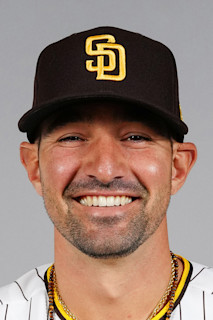
| Player | Team | Split | AB | H | HR | RBI | AVG | OBP | SLG | OPS ▲ |
|---|---|---|---|---|---|---|---|---|---|---|
 |
Batting #9 | 26 | 4 | 2 | 8 | .154 | .214 | .423 | .637 | |
 |
Batting #8 | 104 | 24 | 2 | 6 | .231 | .292 | .346 | .638 | |
 |
Batting #1 | 40 | 10 | 0 | 3 | .250 | .268 | .375 | .643 | |
|
Batting #8 | 223 | 47 | 8 | 24 | .211 | .295 | .350 | .645 | |
 |
Batting #5 | 124 | 22 | 6 | 13 | .177 | .287 | .363 | .650 | |
  |
Batting #9 | 43 | 11 | 0 | 11 | .256 | .256 | .395 | .651 | |
 |
Batting #2 | 286 | 60 | 6 | 38 | .210 | .302 | .350 | .651 | |
 |
Batting #8 | 94 | 19 | 3 | 10 | .202 | .312 | .340 | .652 | |
 |
Batting #2 | 69 | 17 | 2 | 5 | .246 | .278 | .377 | .655 | |
|
Batting #2 | 112 | 25 | 4 | 12 | .223 | .270 | .393 | .663 | |
|
Batting #9 | 97 | 22 | 3 | 9 | .227 | .272 | .392 | .664 | |
 |
Batting #1 | 10 | 3 | 0 | 0 | .300 | .364 | .300 | .664 | |
 |
Batting #3 | 13 | 4 | 0 | 0 | .308 | .357 | .308 | .665 | |
 |
Batting #6 | 15 | 4 | 0 | 1 | .267 | .267 | .400 | .667 | |
|
Batting #5 | 12 | 2 | 1 | 3 | .167 | .167 | .500 | .667 | |
|
Batting #3 | 23 | 6 | 0 | 1 | .261 | .320 | .348 | .668 | |
 |
Batting #5 | 45 | 10 | 1 | 3 | .222 | .314 | .356 | .669 | |
|
Batting #9 | 26 | 7 | 0 | 4 | .269 | .286 | .385 | .670 | |
|
Batting #9 | 152 | 38 | 1 | 12 | .250 | .297 | .375 | .672 | |
|
Batting #2 | 100 | 23 | 3 | 10 | .230 | .274 | .400 | .674 | |
|
Batting #7 | 33 | 6 | 2 | 4 | .182 | .250 | .424 | .674 | |
|
Batting #9 | 40 | 11 | 1 | 2 | .275 | .326 | .350 | .676 | |
|
Batting #7 | 14 | 2 | 1 | 1 | .143 | .250 | .429 | .679 | |
|
Batting #3 | 30 | 6 | 1 | 1 | .200 | .314 | .367 | .681 | |
|
Batting #2 | 50 | 14 | 0 | 6 | .280 | .302 | .380 | .682 | |
  |
Batting #4 | 125 | 28 | 7 | 20 | .224 | .258 | .424 | .682 | |
|
Batting #4 | 43 | 10 | 1 | 2 | .233 | .267 | .419 | .685 | |
|
Batting #8 | 76 | 19 | 3 | 10 | .250 | .266 | .421 | .687 | |
 |
Batting #6 | 24 | 6 | 0 | 0 | .250 | .400 | .292 | .692 | |
|
Batting #7 | 43 | 10 | 1 | 7 | .233 | .298 | .395 | .693 | |
|
Batting #6 | 53 | 14 | 1 | 5 | .264 | .278 | .415 | .693 | |
 |
Batting #5 | 162 | 38 | 4 | 20 | .235 | .315 | .389 | .704 | |
|
Batting #6 | 18 | 4 | 1 | 4 | .222 | .263 | .444 | .708 | |
|
Batting #7 | 24 | 7 | 0 | 3 | .292 | .292 | .417 | .708 | |
|
Batting #7 | 13 | 4 | 0 | 0 | .308 | .400 | .308 | .708 | |
|
Batting #2 | 56 | 9 | 2 | 5 | .161 | .390 | .321 | .711 | |
 |
Batting #9 | 103 | 29 | 2 | 11 | .282 | .296 | .417 | .714 | |
|
Batting #6 | 16 | 3 | 1 | 1 | .188 | .278 | .438 | .715 | |
|
Batting #5 | 57 | 15 | 2 | 5 | .263 | .311 | .404 | .715 | |
|
Batting #4 | 45 | 10 | 2 | 7 | .222 | .294 | .422 | .716 | |
|
Batting #7 | 101 | 25 | 4 | 18 | .248 | .300 | .416 | .716 | |
|
Batting #6 | 158 | 41 | 4 | 20 | .259 | .324 | .392 | .716 | |
|
Batting #8 | 227 | 48 | 9 | 30 | .211 | .323 | .401 | .724 | |
|
Batting #7 | 62 | 13 | 2 | 7 | .210 | .386 | .339 | .724 | |
|
Batting #9 | 12 | 3 | 1 | 6 | .250 | .231 | .500 | .731 | |
|
Batting #3 | 197 | 45 | 12 | 29 | .228 | .261 | .472 | .733 | |
|
Batting #8 | 152 | 41 | 3 | 21 | .270 | .339 | .395 | .734 | |
|
Batting #5 | 45 | 11 | 2 | 9 | .244 | .314 | .422 | .736 | |
|
Batting #5 | 43 | 12 | 1 | 4 | .279 | .340 | .395 | .736 | |
|
Batting #1 | 330 | 90 | 8 | 29 | .273 | .328 | .409 | .737 |















Understanding Batting Order Splits
Batting order splits show how a hitter performs in different lineup positions. Lineup spot affects the number of plate appearances, the runners-on-base context, and often reflects the manager's confidence level in the hitter.
Top of the Order (1-3)
The leadoff spot prioritizes on-base skills. The 2-hole is increasingly used for the team's best overall hitter. Cleanup (3-hole) hitters see the most RBI opportunities. Hitters in these spots get the most plate appearances per game — about 0.5 more PA than the bottom of the order.
Middle of the Order (4-6)
The 4-5-6 spots are the traditional power slots. These hitters often bat with runners on base, inflating their RBI totals. Some hitters perform better in these "protected" lineup spots, while others are more productive when they bat higher with the table set for them.
DFS Implications
For DFS, lineup position directly affects projected plate appearances. A hitter batting 2nd will average ~4.5 PA/game vs ~3.8 PA for a 9th-place hitter. Check lineup cards and batting order splits together — some hitters thrive in certain spots and struggle in others.
Related MLB Tools
MLB Park Factors
Stadium effects on hitting and pitching
Batter vs Pitcher Matchups
Head-to-head historical batting stats
MLB Player Props Today
Today's best prop bets with projections
Hits Props
MLB hits prop lines and projections
DraftKings MLB Optimizer
Build optimized MLB DFS lineups
MLB DFS Stacks
Top hitter stacks for today's slate
Data Source & Methodology
Batting splits sourced from MLB Stats API. Stats reflect current season data and update daily as games are played.
Frequently Asked Questions
- Which batting order position gets the most plate appearances?
- The leadoff (1st) and 2-hole hitters get the most plate appearances per game, averaging about 4.5-4.7 PA. The 9-hole gets the fewest at roughly 3.7-3.9 PA. Over a full season, this difference adds up to 80-100 extra PA for top-of-the-order hitters.
- How do batting order splits affect DFS projections?
- Lineup position is one of the strongest predictors of DFS scoring. Higher lineup spots mean more PA (more chances to score points), better RBI opportunities, and more runs scored. Always check confirmed lineups before lock — a hitter dropping from 2nd to 7th loses significant projected value.
- Do hitters actually perform differently based on lineup spot?
- Yes. Some hitters thrive in specific lineup roles. Leadoff hitters may focus more on getting on base, while cleanup hitters look to drive in runs. When managers move hitters up or down, their approach and production can shift. The sample sizes here are important — a hitter may only have 50 PA batting 8th.