
MLB Batting Splits 2025
Performance splits by handedness, home/away, and situational categories.
| Player | Team | AB | H | HR | RBI | AVG | OBP | SLG | OPS ▼ |
|---|---|---|---|---|---|---|---|---|---|
 |
22 | 1 | 0 | 3 | .045 | .154 | .091 | .245 | |
 |
12 | 1 | 0 | 0 | .083 | .154 | .083 | .237 | |
 |
14 | 1 | 0 | 1 | .071 | .133 | .071 | .205 | |
  |
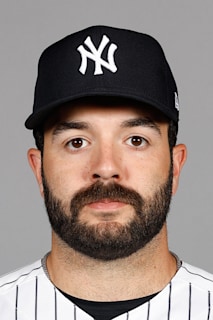
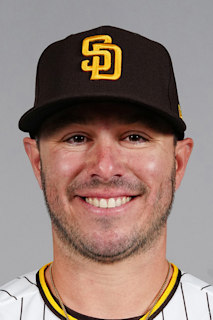
12 | 0 | 0 | 1 | .000 | .077 | .000 | .077 |


Understanding Ballpark Splits
Ballpark splits show how a hitter performs at each MLB stadium. Park dimensions, altitude, weather, and playing surface all influence offensive output. Coors Field in Colorado inflates stats dramatically, while pitcher-friendly parks like Oracle Park suppress them.
Hitter-Friendly Parks
Coors Field, Great American Ball Park, and Fenway Park consistently boost batting stats. Hitters at these venues often see 15-25% OPS increases. Always check ballpark splits before setting DFS lineups — a hitter visiting Coors is a different player than the same hitter at Petco Park.
Pitcher-Friendly Parks
Oracle Park, Petco Park, and Tropicana Field suppress offensive numbers. A .250 hitter at a pitcher-friendly park might actually be performing well relative to context. Use ballpark splits to normalize stats before comparing hitters across different home parks.
DFS & Betting Application
Stack hitters visiting hitter-friendly parks, especially when they have strong historical splits at that venue. For props, adjust your expectations based on park context — a 1.5 total bases over is more likely at Coors than at Oracle Park.
Related MLB Tools
MLB Park Factors
Stadium effects on hitting and pitching
Batter vs Pitcher Matchups
Head-to-head historical batting stats
MLB Player Props Today
Today's best prop bets with projections
Hits Props
MLB hits prop lines and projections
DraftKings MLB Optimizer
Build optimized MLB DFS lineups
MLB DFS Stacks
Top hitter stacks for today's slate
Data Source & Methodology
Batting splits sourced from MLB Stats API. Stats reflect current season data and update daily as games are played.
Frequently Asked Questions
- Which MLB ballparks are best for hitters?
- Coors Field (Colorado), Great American Ball Park (Cincinnati), and Fenway Park (Boston) are consistently the most hitter-friendly parks. Coors Field is the most extreme — hitters typically see OPS increases of 100+ points when playing there due to the altitude and thin air.
- How do I use ballpark splits for DFS?
- Target hitters who have strong historical performance at the day's venue. Stack hitters visiting Coors Field, Great American Ball Park, or other hitter-friendly parks. Fade hitters playing at pitcher-friendly venues like Oracle Park or Tropicana Field unless they have proven track records there.
- Why do some hitters perform differently at certain parks?
- Park dimensions (wall distances, fence heights), altitude (Coors Field), weather patterns, and playing surface all affect batted balls. Left-handed hitters may thrive at parks with short right-field porches, while fly-ball hitters benefit from thin air at altitude.